August 3, 2026
Modern households generate higher energy demands than ever before due to the influx of new electronics, high-capacity appliances, and electric vehicles. Partnering with a licensed professional allows homeowners to modernize their electrical infrastructure while slashing unnecessary power waste across their entire property. Investing in strategic home improvements creates a safer, more sustainable living environment that significantly lowers monthly utility bills.
Upgrading Outdated Electrical Panels for Modern Demand
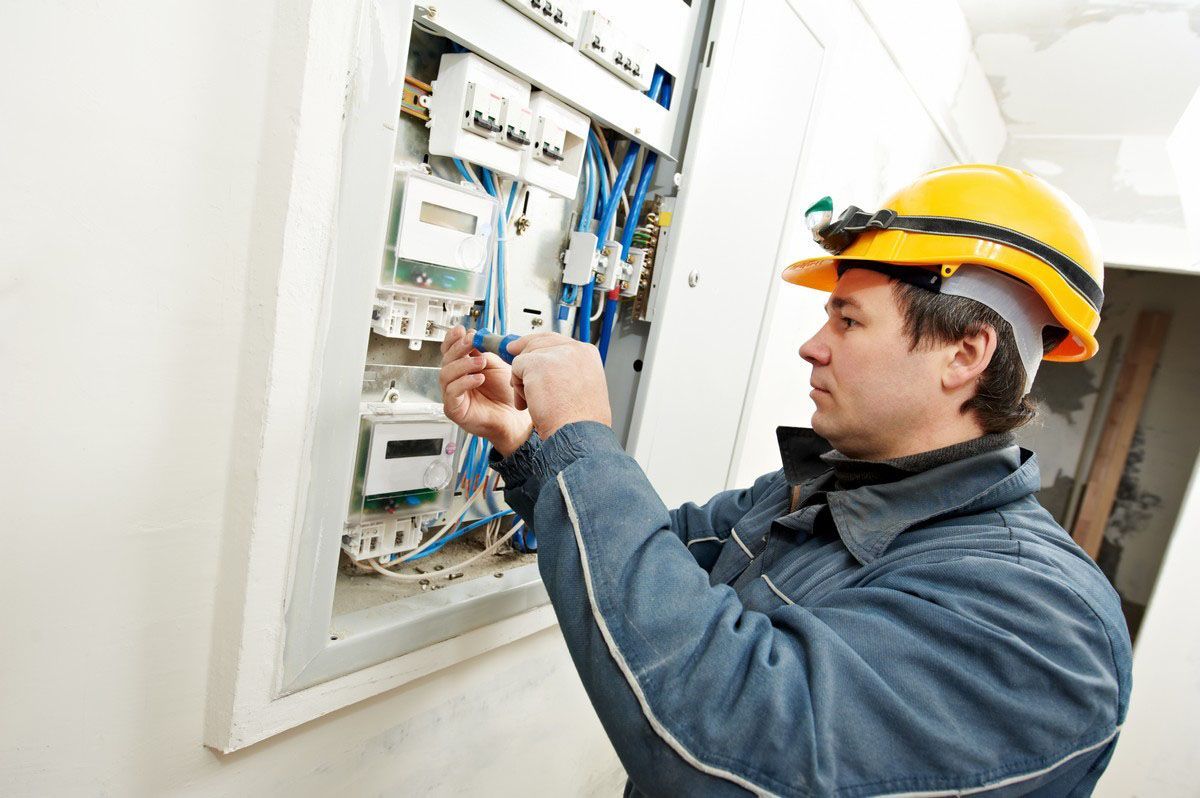
An electrical panel acts as the heart of a home's power distribution system, routing electricity from the utility company to every outlet, switch, and appliance. Older properties frequently operate on electrical panels designed long before the era of modern electronics, heavy-duty appliances, and home automation systems. When an electrical panel is forced to operate near or above its rated capacity, it experiences heightened electrical resistance, generating surplus heat and wasting power. According to data from industry research firm IBISWorld, approximately 33% of overall electrician revenue stems directly from electrical upgrades.
Upgrading to a modern panel or smart breaker panel eliminates electrical bottlenecks, reduces thermal efficiency losses, and ensures that voltage remains steady throughout the dwelling. Selecting professional electrician services to assess and upgrade the main service panel provides the foundation for all subsequent energy efficiency improvements. Smart panels also allow real-time monitoring of power consumption at the circuit level, empowering homeowners to identify energy hogs and adjust their consumption habits accordingly.
Installing Energy Efficient Lighting Solutions
Lighting accounts for a substantial portion of residential electricity consumption, especially in homes that still utilize legacy incandescent or halogen illumination. Traditional incandescent bulbs waste most of their consumed energy as heat rather than light, placing an additional thermal burden on a home's air conditioning system during warm weather. Replacing legacy lighting infrastructure with light-emitting diode technology drastically reduces power demands, as modern light-emitting diodes consume less power while delivering superior light output.
Engaging specialized electrician services helps homeowners design a modern lighting layout that pairs low-wattage fixtures with precision controls. Professional installation ensures proper driver compatibility, preventing flickering, buzzing, or premature bulb failure. Beyond changing bulbs, electricians install occupancy sensors, motion detectors, and dimmers that automatically adjust illumination levels based on room presence or ambient daylight. These automated controls prevent lights from burning in empty rooms, compounding energy savings over time without compromising convenience or safety.
Integrating Smart Home Automation Systems
Smart technology has transformed home energy management from a manual chore into an automated, highly responsive process. Smart switches, intelligent outlets, and automated thermostats allow homeowners to schedule, monitor, and regulate electrical power consumption remotely. Many residential electronic devices consume electricity even when powered down, a phenomenon commonly referred to as standby power loss or vampire draw.
Scheduling expert electrician services allows property owners to install smart outlets and hardwired energy management systems that automatically cut power to dormant devices. Electricians can also connect home power networks to smart thermostats that adjust heating and cooling output based on occupancy patterns, weather forecasts, and time-of-use utility rates. Integrated automated systems can perform load shedding, temporarily pausing low-priority electrical tasks when high-demand appliances operate, thereby preventing peak-hour rate penalties. By unifying these technologies under a coherent system, homeowners gain precise control over every kilowatt-hour consumed throughout the day.
Retrofitting Homes for Electric Vehicle Chargers
The widespread transition to electric vehicles requires robust residential charging infrastructure capable of handling high continuous electrical loads. Attempting to charge a vehicle using a standard one-hundred-twenty-volt outlet requires extended charging times and often results in inefficient power transfer due to line loss over long operating windows. Installing a dedicated charging station provides a significantly faster, more efficient energy transfer process.
Certified electrician services ensure that high-voltage equipment is wired using properly sized copper conductors and dedicated branch circuits to prevent dangerous voltage drops. Professional installers also integrate smart charging units that communicate directly with electric utilities. These smart chargers automatically initiate vehicle charging during off-peak overnight hours when electricity rates are at their lowest and utility grid stress is minimal. Proper wire gauge sizing and direct circuit connections minimize electrical resistance, ensuring that maximum energy transfers directly into the vehicle's battery pack rather than radiating away as waste heat.
Optimizing Heating and Cooling System Circuits
Heating, ventilation, and air conditioning systems represent the single largest energy expense in most residential properties. Modern high-efficiency systems, such as inverter-driven heat pumps and heat pump water heaters, require precise electrical delivery to operate at peak efficiency. Improperly sized wiring or loose electrical connections create voltage imbalances that force compressor motors to work harder, generating excessive heat and shortening component lifespans.
Relying on trusted electrician services guarantees that all wiring, disconnect switches, and dedicated circuits strictly adhere to national electrical code requirements. Electricians evaluate electrical supply stability to ensure heating and cooling units operate within their designated operating parameters without experiencing damaging voltage sags. Furthermore, installing specialized subpanels for mechanical equipment prevents electrical noise and interference from affecting sensitive digital controls on modern variable-speed equipment. Keeping heating and cooling circuits running at optimal voltage directly reduces daily power consumption, extending equipment durability while minimizing utility charges.
Implementing Whole House Surge Protection Solutions
Transient power surges from grid switching, lightning strikes, or internal high-draw appliance cycling present a constant threat to delicate electronic equipment. While localized surge strips offer basic protection for plug-in devices, they do not safeguard major appliances or the overall electrical wiring of the home. Repetitive micro-surges cause cumulative degradation of electrical insulation, circuit boards, and motor windings, forcing appliances to draw more current to perform their basic functions over time.
Investing in comprehensive electrician services gives homeowners peace of mind by incorporating industrial-grade, panel-mounted surge suppression devices directly at the main service distribution point. Whole-house surge protectors shunt harmful voltage spikes safely to the ground before they penetrate the internal branch circuits. Protecting sensitive integrated circuits within modern HVAC systems, smart appliances, and solar inverter units prevents efficiency losses caused by electrical degradation. Maintaining steady electrical baseline parameters preserves the design efficiency of expensive home appliances, postponing costly equipment replacements.
Conducting Comprehensive Residential Electrical Audits
Achieving peak residential energy efficiency requires an accurate, holistic understanding of how electricity moves through a property. A comprehensive residential electrical audit involves a meticulous inspection of panel connections, outlet terminations, grounding pathways, and branch circuit distribution. Certified electricians utilize specialized thermal imaging cameras to identify hotspots behind walls and inside breaker panels, pinpointing loose connections, overloaded circuits, or undersized wiring that wastes energy through heat emission.
Electrical contractors also evaluate the balance across both hot legs of the main electrical supply, redistributing single-phase household loads evenly to eliminate neutral line losses. Following a thorough assessment, the electrician provides a prioritized roadmap detailing targeted upgrades, such as dedicated sub-panel installations, insulation-safe recessed fixture retrofits, or hardwired load management controls. Addressing structural electrical deficiencies identified during an audit ensures that all subsequent energy efficiency investments operate at their highest potential efficiency for decades to come.
Maximizing residential energy efficiency requires far more than simply turning off lights or unplugging unused chargers. By leveraging professional expertise to modernize your power distribution, you protect your property while significantly lowering monthly utility costs. Scheduling a consultation with a qualified professional is the single most effective step toward building a safer, greener home for the future. For more on how expert electrician services improve your home's efficiency, please contact Intralux Electric, LLC.